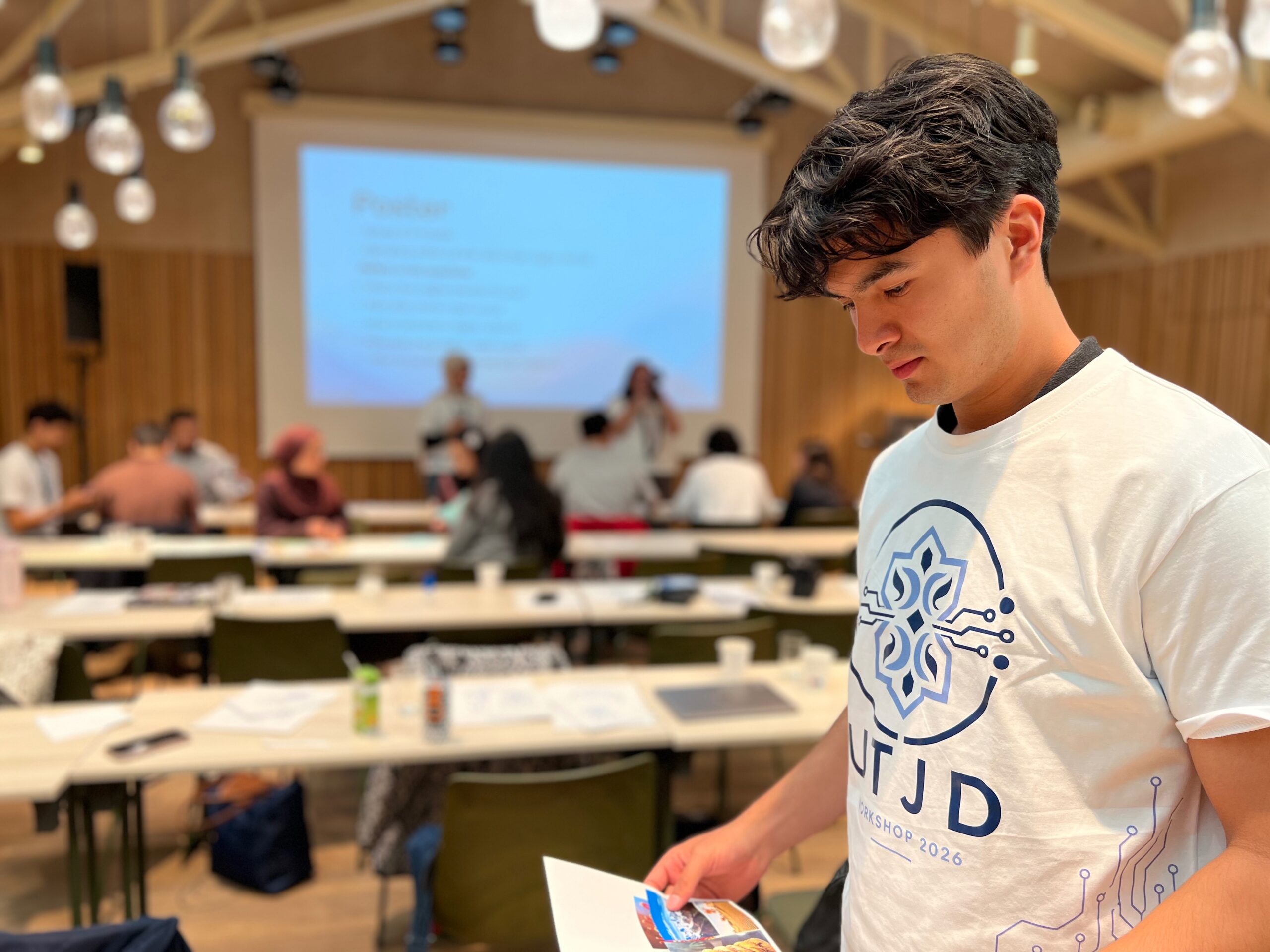
Workshop 2026 – Oslo, September 5, 2026
This year’s UTJD Youth Workshop brought together young Uyghurs in Oslo for a full day focused on research, technology, activism, and Uyghur identity.
The workshop aimed to strengthen participants’ understanding of UTJD’s work while giving them practical opportunities to explore how research, digital tools, and advocacy can support the Uyghur community.
Workshop memories

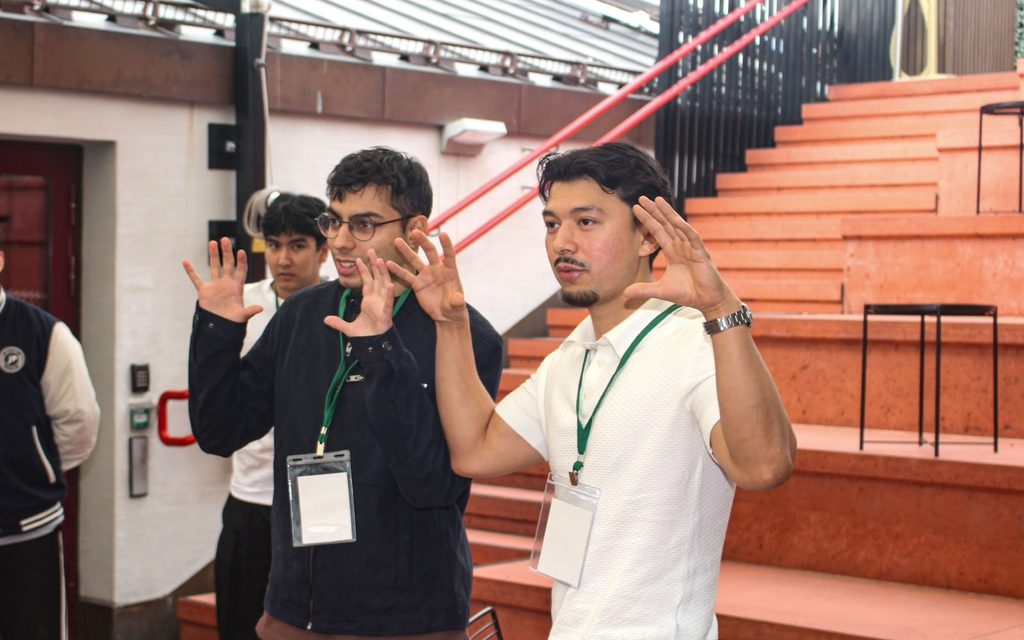
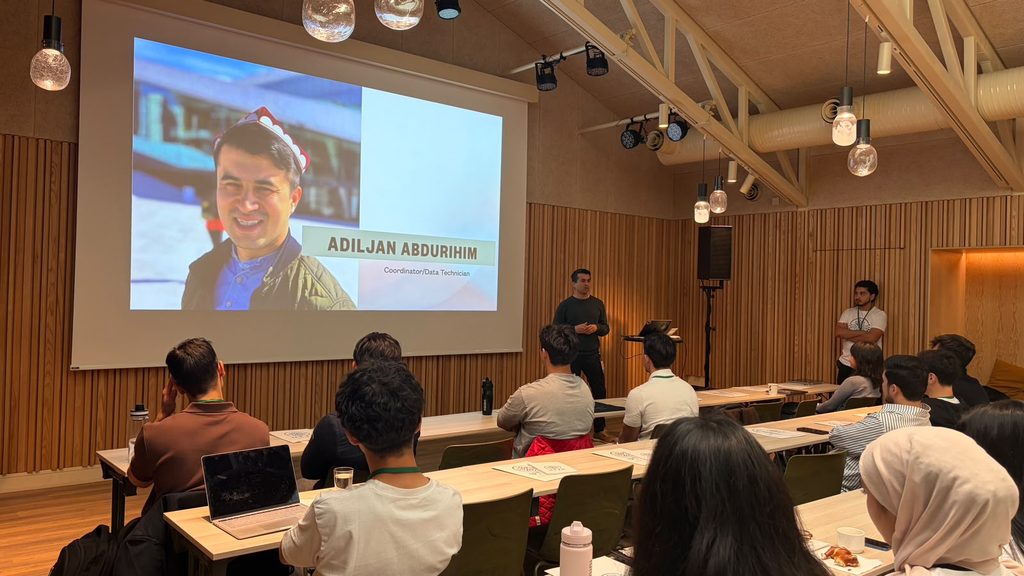
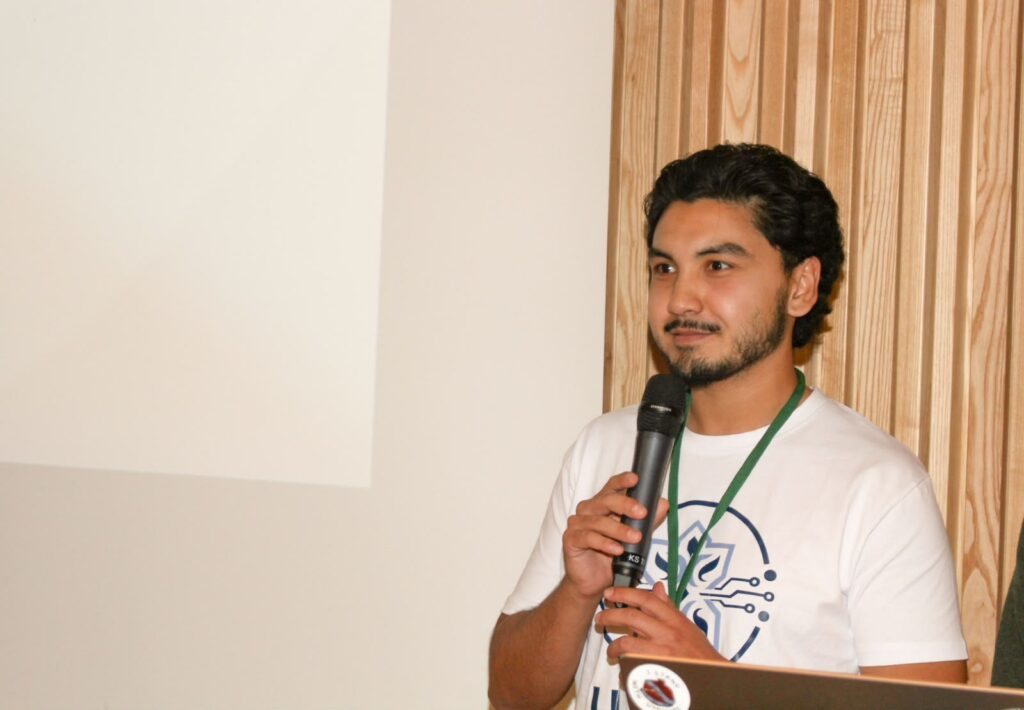
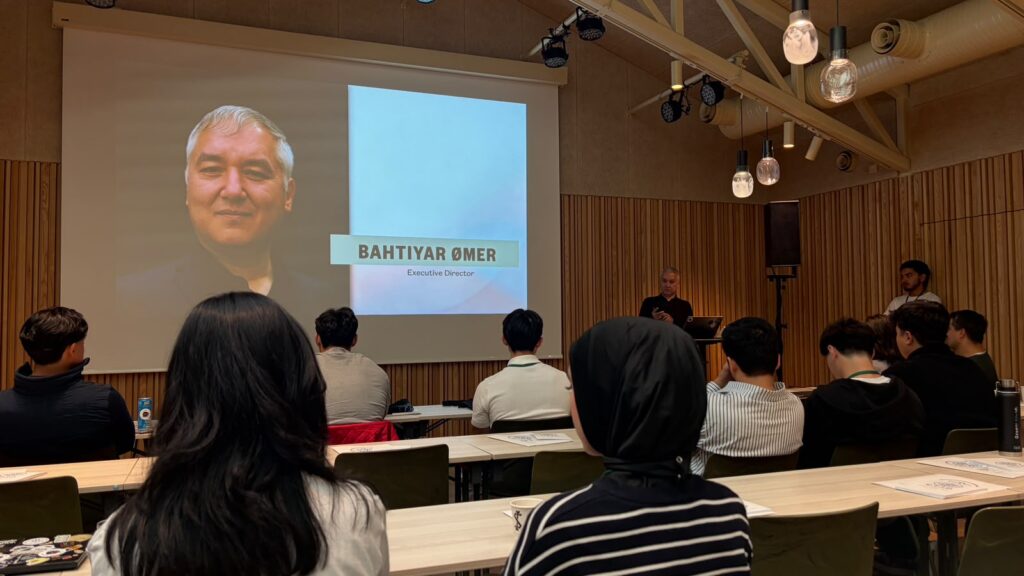
The day opened with introductions to UTJD, its core team and interns, followed by an overview of the organisation’s work and the different ways young people can contribute.
Participants were introduced to UTJD’s three main tracks: Research, Technology and Activism. The session explained the main differences between the tracks, how they overlap, and why collaboration between them is important in UTJD’s work.
Research, Technology, and Activism in Action
The workshop continued with examples of how the three tracks are used in practice:
- Research Track: Participants were introduced to work involving sensitive data, news, evidence, documentation and the importance of reliable sources.
- Technology Track: The technology section highlighted hands-on projects such as VR, website development, satellite data and other digital tools that can support documentation and communication.
- Activism Track: Participants explored social media, media engagement, design and other ways information can be communicated to wider audiences.
The purpose of the session was to show that the three tracks are not separate. Research can provide the evidence, technology can help turn it into accessible tools and content, while activism can help bring that work to a wider audience.
The workshop also included recorded contributions from Access Now on digital rights, Human Rights Foundation on artificial intelligence, and Corporate Accountability Lab on research and accountability.
Uyghur Identity – From Research to Creation
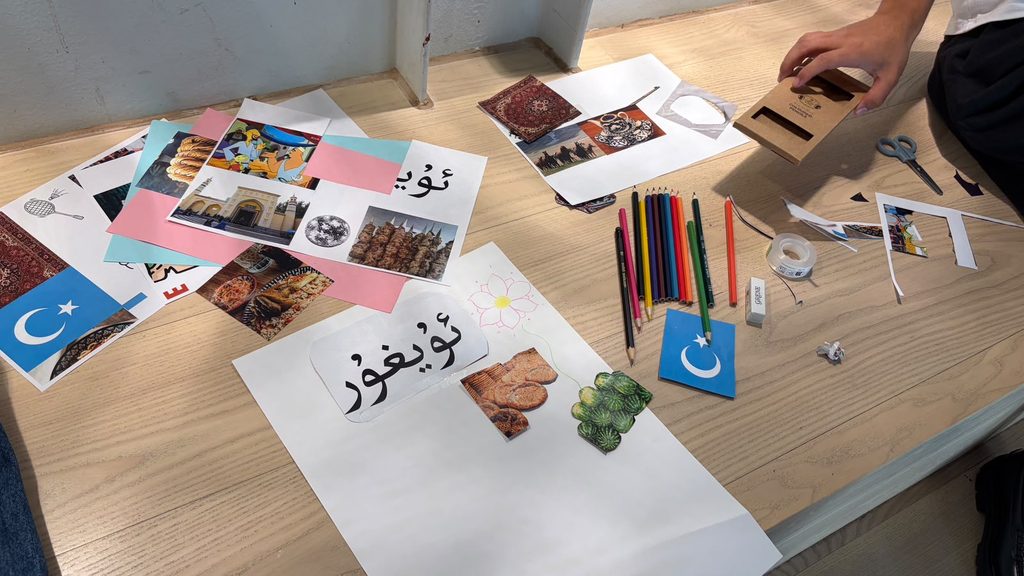
One of the main interactive activities of the workshop focused on Uyghur Identity.
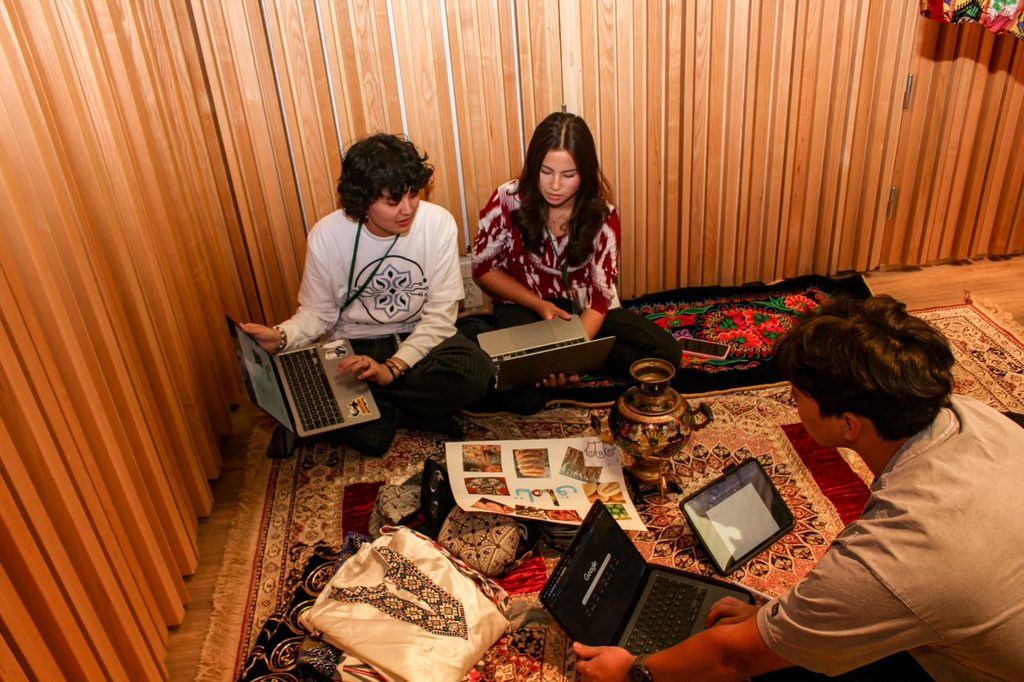
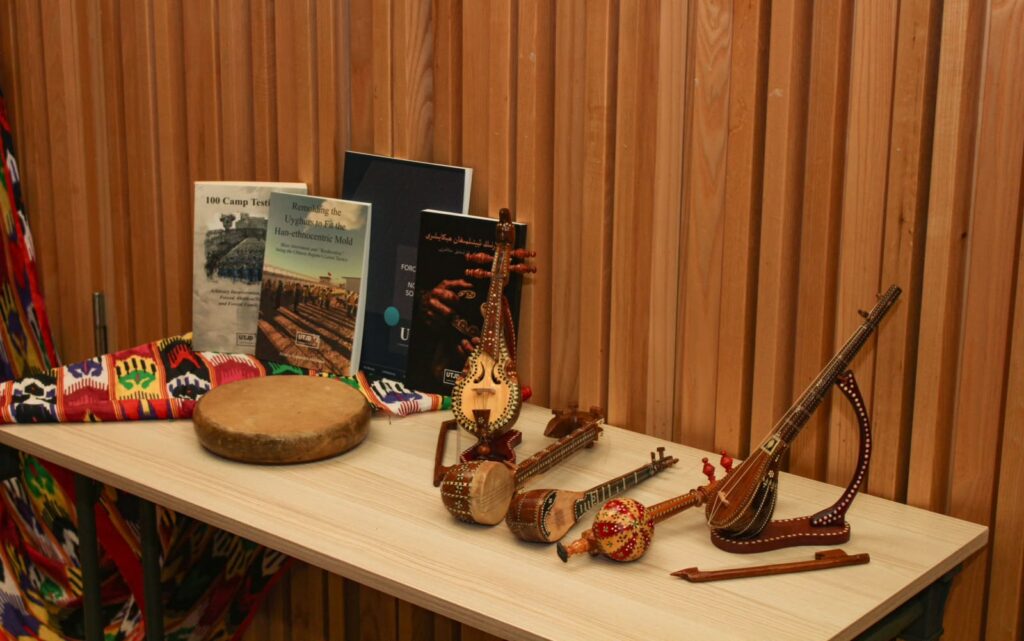
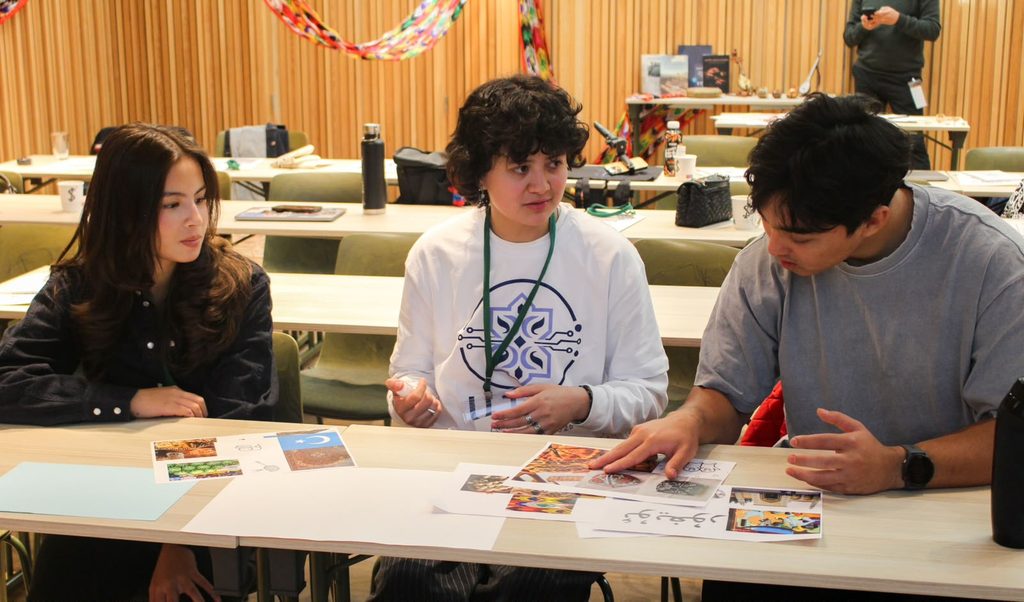
Participants began by creating posters representing different aspects of Uyghur identity, including language, traditions, people, objects, stories and symbols. The posters were then used as a starting point for a deeper activity.
Each participant or group selected one element from their poster and researched its history, meaning and significance. Using what they found, they were encouraged to develop the idea further and create something new, such as a presentation, Reel, timeline, website, performance or another creative output.
Participants were also introduced to ways AI could support the research and creative process.
The activity brought the three workshop tracks together in practice: researching a topic, using technology to develop it, and thinking about how it could be communicated or shared with others.
TNR Resilience Building
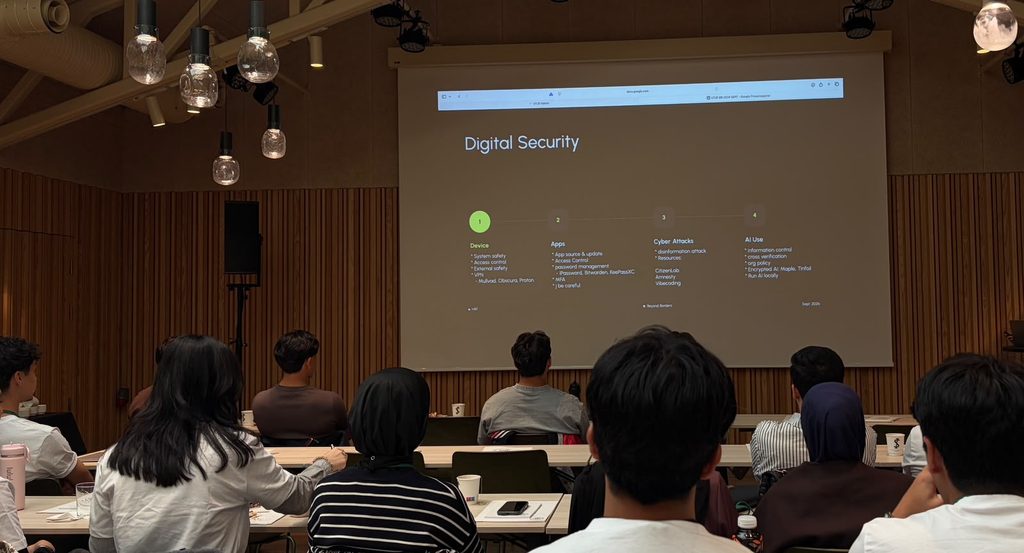
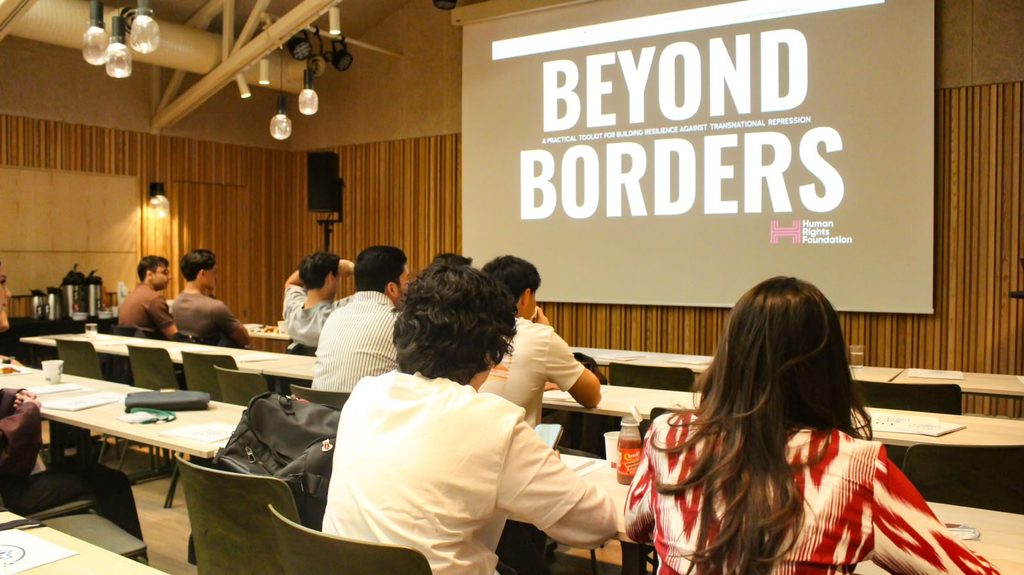
Another important part of the day was a session led by the Human Rights Foundation (HRF) on building resilience against transnational repression.
Grounded in HRF’s toolkit on countering transnational repression, the session explored practical areas such as digital security, physical safety, responsible documentation and reporting, organisational preparedness and long-term community resilience.
A central message was that incidents of transnational repression should not leave one individual to manage fear, evidence, family risk and reporting alone. Instead, communities should work towards stronger shared preparedness and support systems, while governments and institutions continue to carry responsibility for providing effective protection.
Collaborative Work and Final Reflections
Throughout the workshop, participants worked together, exchanged ideas and explored how their different skills could contribute to UTJD’s work.
The activities were designed to move beyond passive learning. Participants were encouraged to research, discuss, create and develop their own ideas, while learning how research, technology and activism can reinforce one another.
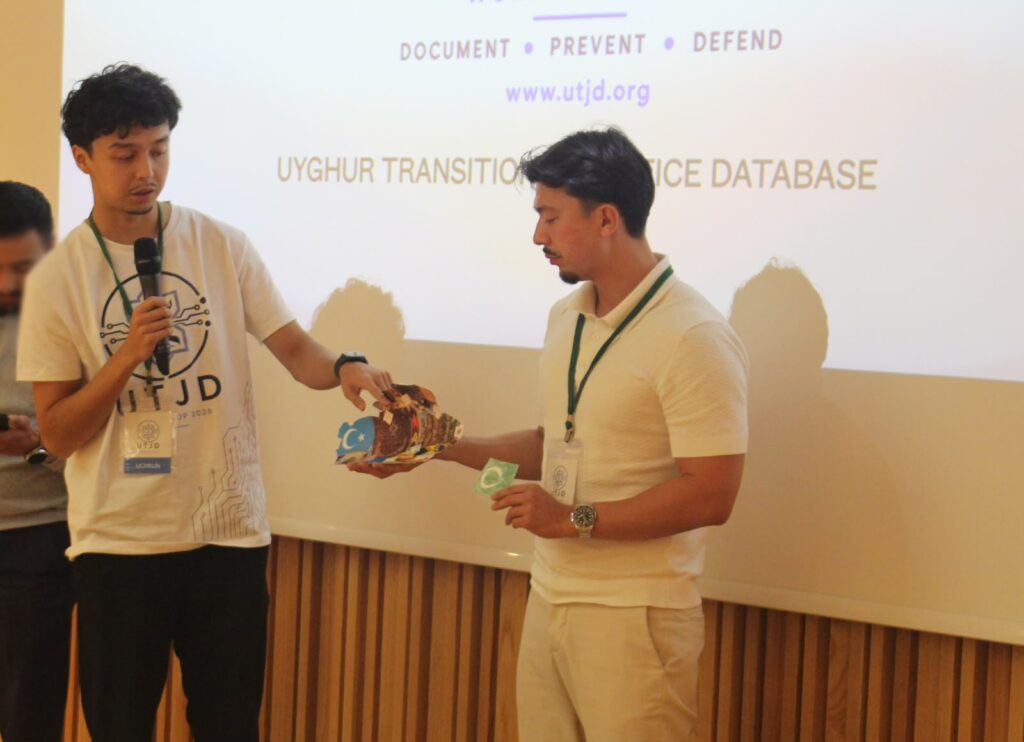
The day concluded with participants sharing some of their work and reflecting on the ideas they had developed during the workshop.
Closing Note
The 2026 UTJD Youth Workshop continued the organisation’s effort to create a space where young Uyghurs can gain practical skills, connect with one another and take a more active role in preserving and documenting their community.
By combining discussions on digital rights, artificial intelligence, research, transnational repression and Uyghur identity with practical activities, the workshop encouraged participants to turn knowledge into something they could actively use and develop further.
We extend our gratitude to all participants, speakers and organisations who contributed to the workshop and helped make the day possible.