Recent developments in Canada have further strengthened regulations aimed at preventing forced labour in global supply chains. Combined with the European Union’s new Forced Labour Regulation and similar legislative initiatives emerging worldwide, these changes reinforce the growing expectation that businesses take a proactive approach to protecting human rights throughout their value chains.
Organizations should act now by identifying potential risks, reviewing their supplier networks, and implementing robust human rights due diligence processes. This is not only essential for reducing the risk of legal penalties, supply chain disruptions, and reputational damage—it is fundamentally about ensuring that business operations align with internationally recognized human rights and ethical standards.
The evolving situation in China has made this issue particularly significant. Well-documented human rights concerns and allegations of state-sponsored forced labour present substantial challenges for companies operating within global supply chains. As a result, businesses must improve supply chain visibility, strengthen traceability, and enhance supplier monitoring to effectively identify and mitigate risks.
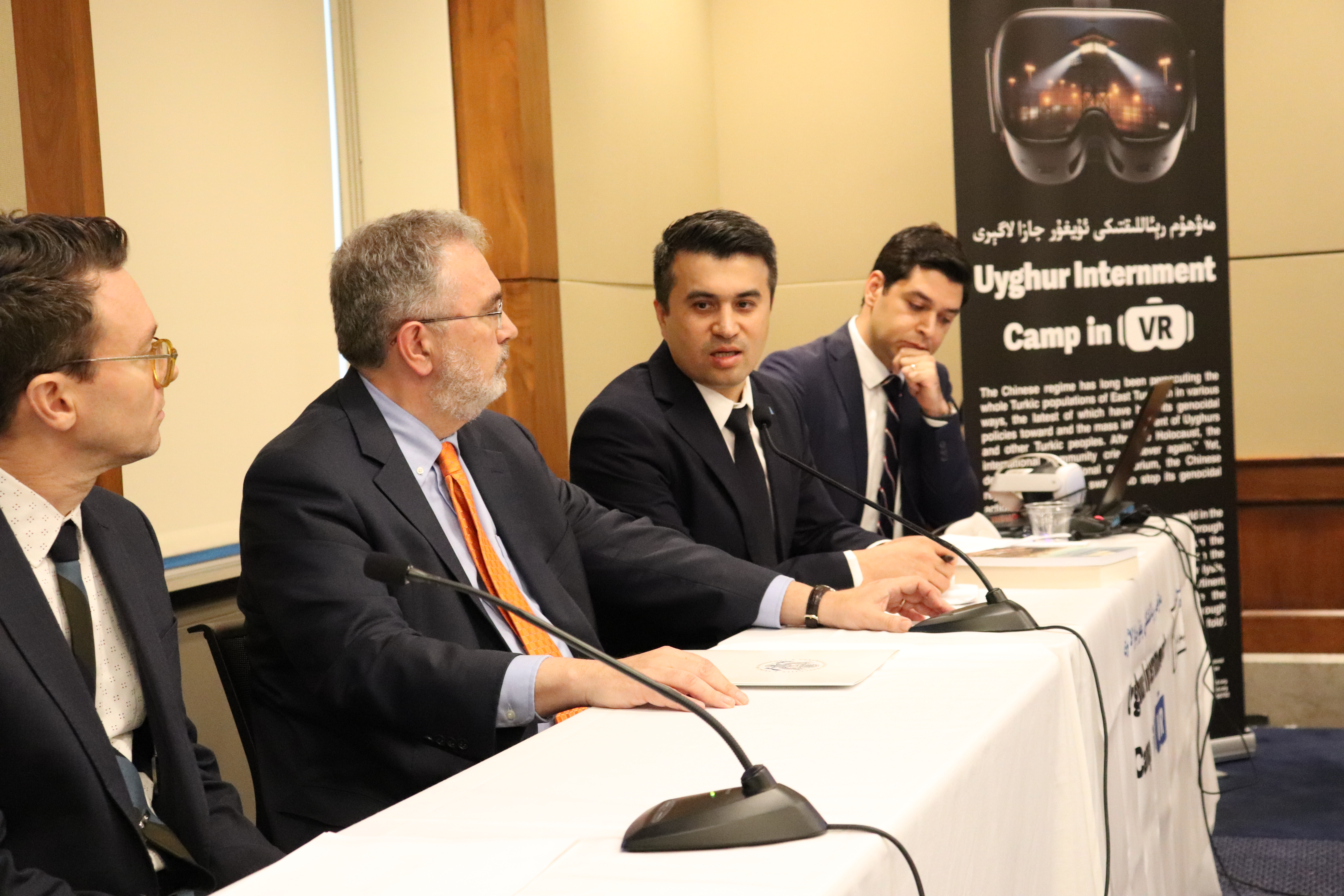
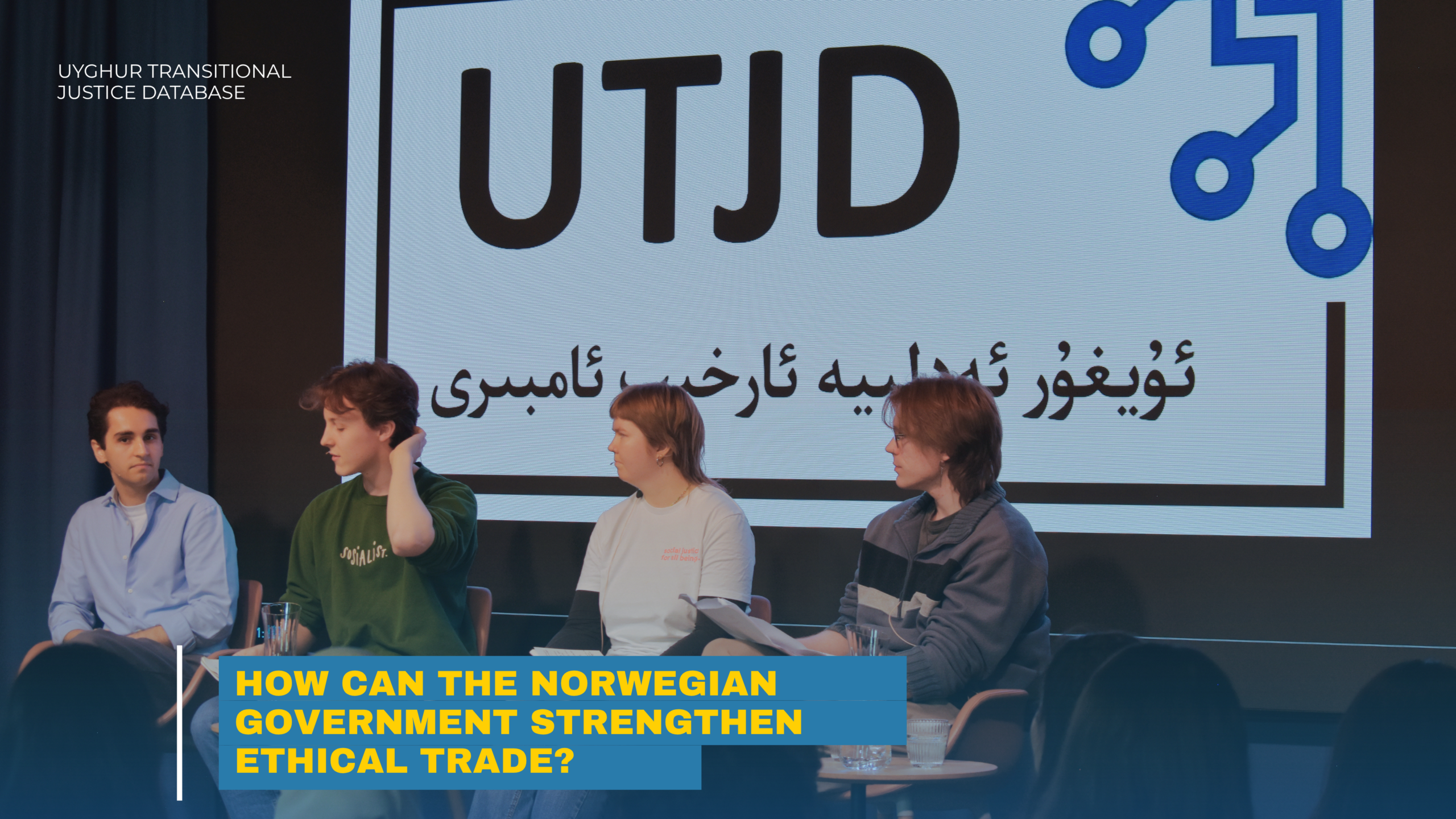
The event is organised by Future-Proof in cooperation with Uyghur Transitional Justice Database. Bringing together experts, businesses, and stakeholders to address one of the most pressing human rights challenges facing global supply chains is both timely and essential. The opening presentation by Professor Laura Murphy, Professor of Human Rights and Contemporary Slavery at the Helena Kennedy Centre for International Justice, Sheffield Hallam University, whose insights provided valuable context on the evolving global forced labour landscape.
We are proud to have contributed data and documentation that help expose the use of forced labour in its various forms. The event demonstrated that Norwegian businesses are taking human rights seriously and are committed to being part of the solution.
Gallery
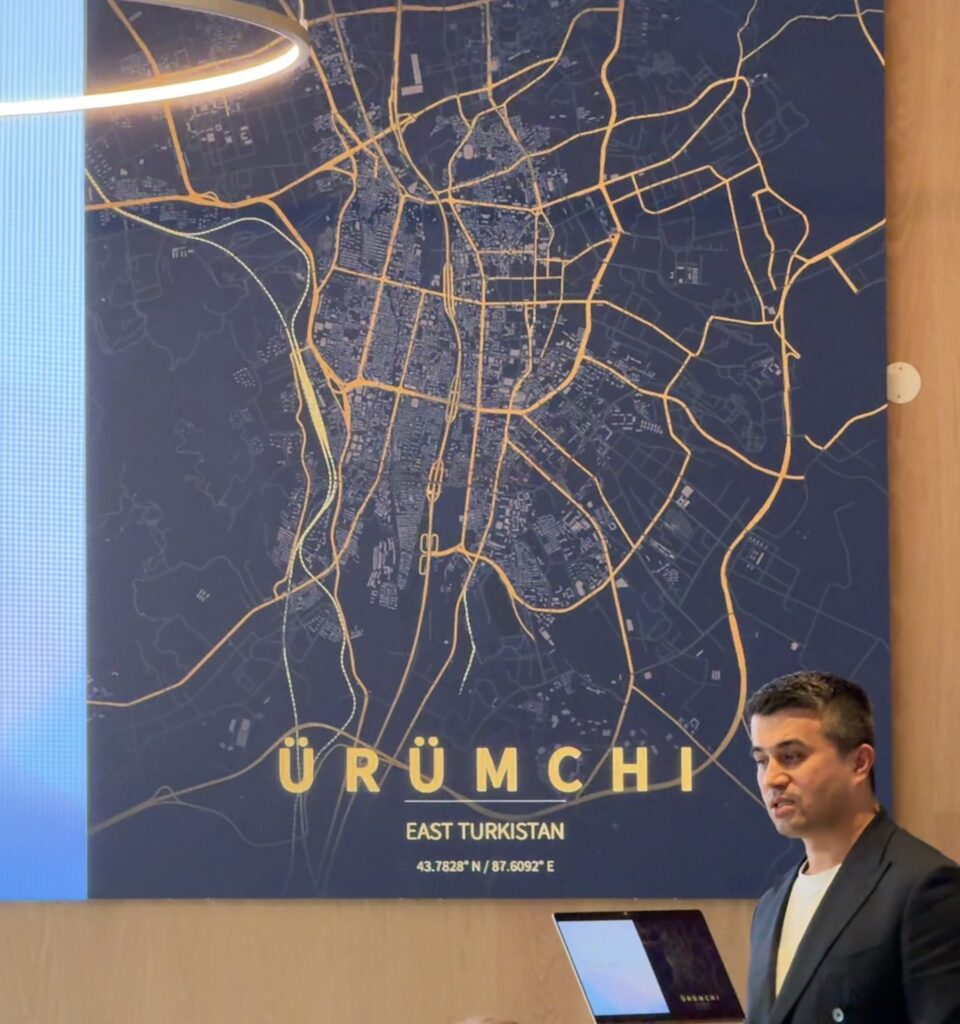

One of highlights of the session was the opportunity for participants to experience our immersive 3D model of internment camps in Virtual Reality. The demonstration enabled participants to explore a digital reconstruction of detention facilities based on documented evidence, providing a deeper understanding of their scale, layout, and the conditions associated with forced labour and other human rights abuses. By combining verified data with immersive technology, we aim to make complex human rights issues more tangible and support informed decision-making by businesses and other stakeholders.
Despite this progress, significant challenges remain. The risk of forced labour in global supply chains continues to be substantial, requiring ongoing commitment, transparency, and collaboration between businesses, governments, and civil society. Only through sustained efforts can meaningful and lasting change be achieved.
https://www.fproof.no/arrangement/rundebord-tvangsarbeid-med-fokus-pa-kina